
Introduction to Vegetable Pancakes
Experience the delightful crunch of a vegetable pancake with every bite! These versatile Korean pancakes, known as Yachaejeon, combine an array of fresh vegetables into a wholesome meal that checks all the boxes for busy young professionals. You’re juggling a career, social life, and perhaps even your health goals, making quick, nutritious meals essential.
Why Vegetable Pancakes are Perfect for Young Professionals
- Quick and Easy: Preparing a vegetable pancake takes minimal time, making it perfect for a post-work dinner. With just one pan involved, you can whip up a meal in under 30 minutes!
- Customizable: Use whatever vegetables you have on hand. Whether it’s zucchini, onions, or even some frozen veggies, you can tailor the recipe to suit your taste or clear out your fridge.
Research suggests that incorporating more vegetables into your diet can significantly improve your energy levels and overall well-being. In fact, the CDC recommends enjoying a variety of fruits and veggies, which you can easily achieve with a vegetable pancake!
- Nutritious and Satisfying: Packed with vitamins and fiber, these pancakes offer a balanced meal that won't leave you feeling sluggish after a long day. Plus, they’re a delicious way to transition into healthier eating habits.
So, why not add this delightful dish to your weekly meal plan? Your taste buds and busy lifestyle will thank you! If you’re interested in a more detailed recipe, check out Maangchi’s Yachaejeon recipe for inspiration.
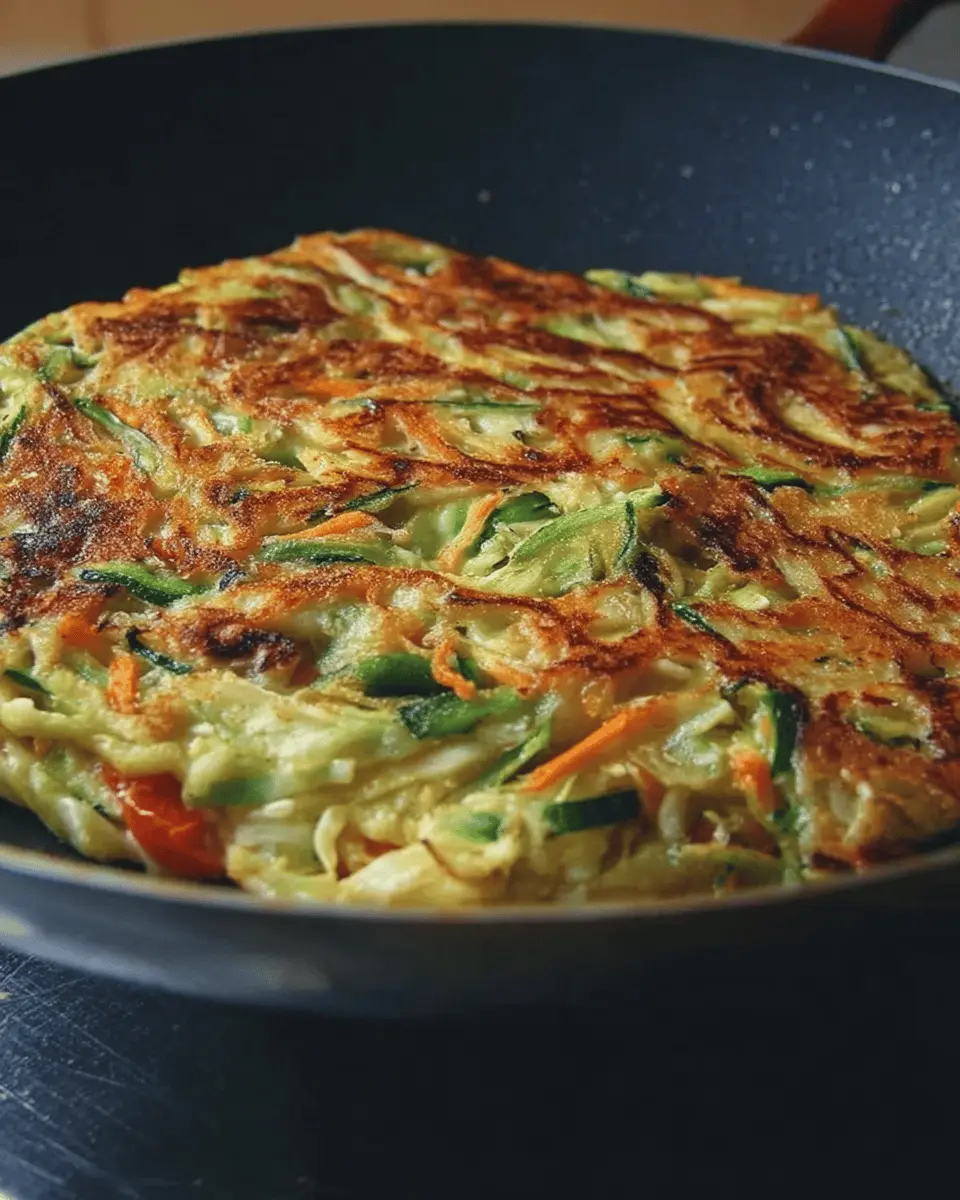
Ingredients for Vegetable Pancakes
Essential ingredients for yachaejeon
Creating a delicious vegetable pancake like yachaejeon is both simple and rewarding. Here’s what you’ll need to get started:
-
2½ to 3 cups of sliced vegetables: You can mix and match, but try to include:
-
4 green onions, cut into 1-inch pieces
-
3 ounces zucchini, sliced into matchsticks (about ½ cup)
-
3 ounces onion, thinly sliced
-
1 fresh mushroom (like shiitake or baby portobello)
-
⅓ cup sweet potato, grated or finely sliced
-
Batter ingredients:
-
¾ cup all-purpose flour
-
½ teaspoon kosher salt
-
¾ cup water
-
Vegetable oil for cooking
Optional ingredients for variation
Don’t hesitate to get creative! Some optional ingredients you might consider adding for a unique twist include:
- ⅓ cup thinly sliced leek for a mild onion flavor
- 1 green chili pepper (or jalapeño) for a bit of heat
- Fresh herbs like perilla leaves (kkaenip) or Asian chives (buchu) for added freshness
Feel free to explore different vegetables based on what you have on hand! For more inspiration, check out this guide on seasonal produce for ideas. Enjoy the process and happy cooking!
Preparing Vegetable Pancakes
Making vegetable pancakes is not only a delightful cooking experience but also a wonderful way to incorporate fresh, healthy vegetables into your diet. Follow these simple steps to create delicious yachaejeon that even the pickiest eaters will enjoy!
Gather and Prep the Vegetables
First things first, you'll want to gather your vegetables. The versatility of this recipe means you can use whatever you have on hand, but here are some great options to consider:
- 4 green onions, cut into 1-inch pieces
- ⅓ cup leek (optional), sliced thinly
- 3 ounces zucchini matchsticks (about ½ cup)
- 1 green chili pepper or jalapeño, sliced (optional)
- 3 ounces onion, sliced
- ⅓ cup sweet potato, thinly sliced
- 1 fresh mushroom (white, baby portobello, or shiitake)
Take a moment to wash and chop these vegetables so they’re ready for mixing. Prep work is vital—having everything organized will make the cooking process smooth and enjoyable.
Make the Dipping Sauce
While the vegetables are prepped, you can whip up a zesty dipping sauce! Combine the following ingredients in a small bowl:
- 1 tablespoon soy sauce
- 2 teaspoons white vinegar
- 1 teaspoon Korean hot pepper flakes (gochugaru), optional
- 1 teaspoon toasted sesame seeds
Mix these ingredients well and set aside. The sauce will complement the crispy vegetable pancakes beautifully, adding that extra burst of flavor.
Mix the Batter
In a large bowl, combine your prepared vegetables with the following:
- ¾ cup all-purpose flour
- ½ teaspoon kosher salt
- ¾ cup water
Stir this mixture with a wooden spoon until everything is well combined. The batter should be thick enough to hold the vegetables together but still pourable.
Heat the Skillet and Cook the Pancake
Now, let’s get cooking! Preheat a large non-stick skillet over medium-high heat.
- Add about 2 tablespoons of vegetable oil, swirling it to coat the skillet evenly.
- Pour your vegetable batter into the skillet and spread it out into a nice, even layer.
This is where you can let your creativity shine! Feel free to adjust the thickness based on your preference. For a large pancake, you’ll typically want it about half an inch thick.
Flip and Finish Cooking the Pancake
After cooking for about 4 to 5 minutes, the bottom should start to turn crunchy and a light golden brown. Here’s how to finish it off:
- Carefully flip the pancake using a large spatula (or two if you’re feeling ambitious!).
- Add an additional 1 to 2 tablespoons of vegetable oil around the edges.
- Cook for another 3 to 4 minutes until both sides are golden and crispy.
Once done, let your vegetable pancake cool for a minute or two before slicing into wedges. Serve it warm, paired with your dipping sauce, and enjoy the delightful blend of flavors!
For more tips on incorporating healthy meals into your routine, check out resources such as Healthline for nutrition advice. Happy cooking!
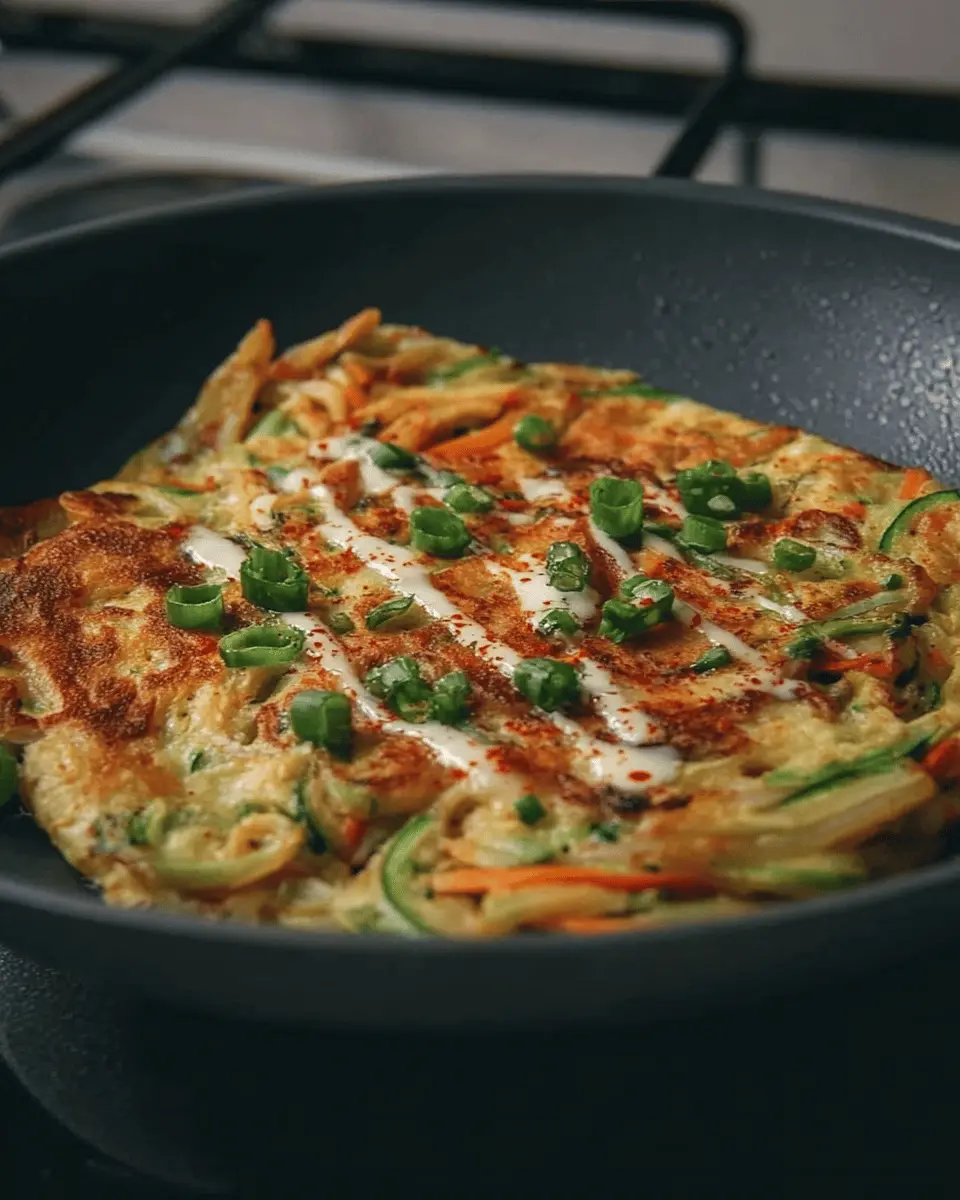
Variations on Vegetable Pancakes
Add seasonal veggies for a fresh twist
When making your vegetable pancakes, let the seasons guide your choice of ingredients. Spring brings tender asparagus and sweet peas, while summer offers vibrant bell peppers and corn. In the fall, consider incorporating hearty squash and caramelized onions. Utilizing what’s fresh not only enhances flavor but also offers a healthy balance. Discover more about seasonal cooking here.
Try different dipping sauces
Elevate your vegetable pancake experience with an array of dipping sauces! While a classic soy sauce mix is ideal, you can experiment with additions like garlic or ginger for a kick. A zesty yogurt sauce or spicy sriracha can also bring a delightful contrast to the crispy texture of your pancake. These sauces can really make your dish shine—what's your favorite way to dip? Consider trying a homemade dipping sauce for a personalized touch!
Cooking Tips and Notes for Vegetable Pancakes
Ensuring the Right Texture
To achieve that perfect crispy texture in your vegetable pancakes, make sure to balance the flour and water correctly. The batter should be thick enough to hold the ingredients but not so dense that it becomes gummy. When mixing, try to leave some lumps; it helps retain that delightful bite. Additionally, frying at the right temperature is key—too hot, and the outside will burn before the inside cooks; too low, and you'll end up with a soggy pancake.
Cooking Tips for Beginners
If you're new to making vegetable pancakes, don’t fret! Here are a few tips to get you started:
- Use a non-stick skillet: This minimizes sticking and makes flipping easier.
- Prep your veggies: Slicing them thinly ensures they cook evenly.
- Experiment with flavors: Feel free to add any vegetables you love—bell peppers, carrots, or kale all work beautifully.
- Dipping sauce: A simple soy sauce and vinegar mix can elevate your pancake; try adding sesame oil for depth.
For more inspiration, check out Maangchi's recipe videos to see the process in action!
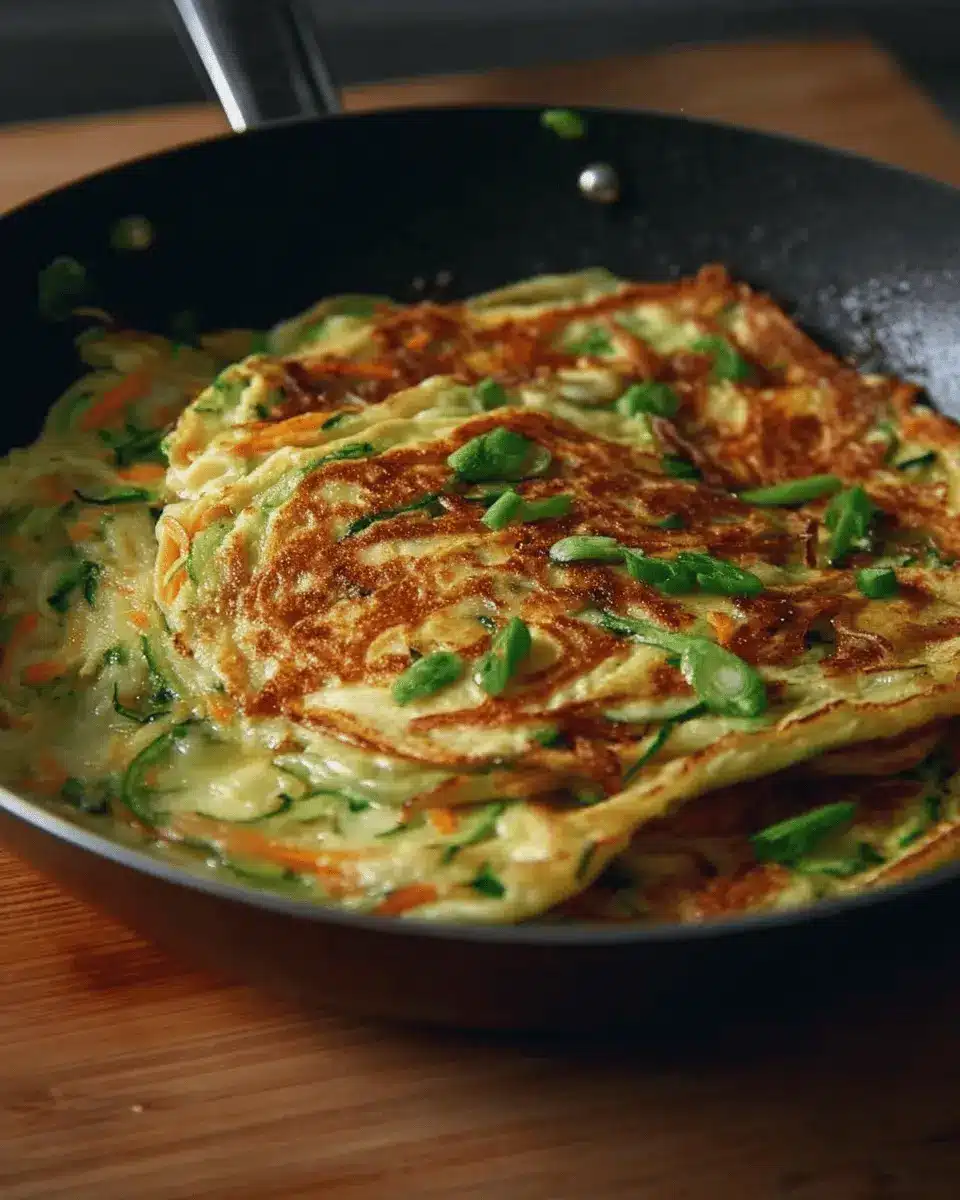
Serving Suggestions for Vegetable Pancakes
Pairing with salads or sides
Vegetable pancakes are incredibly versatile and can complement a variety of dishes. Try serving them with a fresh, vibrant salad, like a mixed greens salad tossed with a zesty vinaigrette. For a heartier option, consider pairing them with a simple stir-fried vegetable side or even some grilled chicken for protein. You might also enjoy a side of kimchi, which adds a delightful fermented kick to balance the flavors.
Presentation ideas
To elevate your vegetable pancake presentation, stack them neatly on a platter or plate. You can garnish with sliced green onions or a sprinkle of sesame seeds for visual appeal. Don’t forget to serve your pancakes alongside that delicious dipping sauce in a small bowl to entice your guests. A colorful arrangement will not only make your meal more inviting but also highlight the fresh ingredients used in this traditional Korean dish.
For more inspiration, check out these creative plating techniques to impress your dinner guests!
Time Breakdown for Vegetable Pancakes
Preparation time
Preparing your vegetable pancakes is quick and easy, taking about 10-15 minutes. This includes washing and slicing the veggies you'll be enjoying in your delicious pancakes.
Cooking time
Cooking your pancakes? Expect it to take around 10-12 minutes. You'll want to ensure each side gets that perfect golden brown color for maximum deliciousness!
Total time
In total, you can whip up these delightful vegetable pancakes in approximately 20-30 minutes. They’re perfect for a busy weeknight dinner or a leisurely brunch with friends!
For more tips on making the perfect vegetable pancake, check out this great source for delicious variations.
Nutritional Facts for Vegetable Pancakes
Calories per serving
A serving of these delicious vegetable pancakes contains approximately 150 calories. This makes them a satisfying yet light option for any meal.
Protein content
Each pancake provides about 5 grams of protein, thanks to the combination of flour and the variety of vegetables used. A great way to boost your plant-based protein intake!
Key vitamins and minerals
Packed with nutrients, these pancakes offer a good amount of vitamins A and C, along with important minerals like potassium and iron. Eating vegetable pancakes can help support overall health and wellness. For more detailed nutritional information, you can check resources like USDA Food Composition.
Feel free to experiment with different vegetables to amplify both flavor and nutrients!
FAQ about Vegetable Pancakes
Can I make vegetable pancakes gluten-free?
Absolutely! You can easily make vegetable pancakes gluten-free by substituting all-purpose flour with gluten-free flour blends. Options like almond flour, chickpea flour, or a store-bought gluten-free pancake mix work wonderfully. Just be aware that the texture might vary a bit, but they'll still be delicious!
How do I store leftovers?
If you have any leftover vegetable pancakes, store them in an airtight container in the refrigerator. They’re best enjoyed within 2-3 days. You can reheat them in a pan over medium heat to regain their crispy texture. Alternatively, freezing them is a great option! Just lay the pancakes flat in a single layer in a freezer-safe container. They should last a couple of months.
What can I substitute for the flour?
If you're looking for flour alternatives, several options can work well. Besides gluten-free flour, you might try oat flour or even mashed vegetables like sweet potatoes to bind your vegetable pancakes. Just keep in mind that the flavor and texture will slightly change, but experimentation can lead to delightful surprises!
Feel free to dive deeper into the world of vegan cooking with guides and recipes on sites like Minimalist Baker or check out Serious Eats for more foundational cooking techniques and tips.
Conclusion on Vegetable Pancakes
Emphasizing the Joy of Homemade Food
There’s something truly special about making a vegetable pancake. The aromas fill your kitchen, evoking memories of family gatherings and comforting home-cooked meals. Homemade food nourishes not just the body, but the soul, creating bonds that last a lifetime.
Encouragement to Explore Culinary Creativity
Don’t hesitate to get creative! Experiment with different vegetables or spices to make the vegetable pancake your own. It’s a canvas for your culinary imagination, and the possibilities are endless. So, roll up your sleeves, gather your ingredients, and enjoy the delicious journey!
Vegetable pancake
Equipment
- non-stick skillet
Ingredients
Vegetables
- 4 pieces green onions cut into 1 inch long
- ⅓ cup leek optional, sliced thinly
- 3 ounces zucchini matchsticks
- 1 piece green chili pepper or jalapeño, optional, sliced
- 3 ounces onion sliced
- ⅓ cup sweet potato
- 1 piece fresh mushroom white, baby portobello, or shiitake
Pancake Batter
- ¾ cup all purpose flour
- ½ teaspoon kosher salt
- ¾ cup water
- vegetable oil for frying
Dipping Sauce
- 1 tablespoon soy sauce
- 2 teaspoons white vinegar
- 1 teaspoon Korean hot pepper flakes gochugaru, optional
- 1 teaspoon toasted sesame seeds
Instructions
Make Dipping Sauce
- Combine soy sauce, vinegar, hot pepper flakes (if using), and sesame seeds in a bowl and mix well. Transfer to a small bowl and set aside.
Make Batter
- Combine green onion, leek (if using), zucchini, green chili pepper (if using), onion, and sweet potato in a bowl. Add flour, salt, and ¾ cup water. Mix well with a wooden spoon.
Cook Pancake
- Heat a large non-stick skillet over medium high heat. Add about 2 tablespoons vegetable oil to coat the skillet evenly.
- Add the batter to the skillet and spread it out evenly. Turn down the heat to medium and place sliced mushroom on top, gently pressing them in.
- Cook for 4 to 5 minutes until the bottom is light golden brown. Move the skillet to ensure even cooking.
- Flip the pancake over. Increase heat to medium high, add 1 to 2 tablespoons of oil along the edges, and cook for another 3 to 4 minutes until both sides are golden brown.
- Flip over one more time and cook for an additional 2 minutes.
Leave a Reply