
Introduction to Vegetable Soup
Why Vegetable Soup is the Ultimate Homemade Comfort Food
When the temperatures drop and the days shorten, there’s nothing quite like a warm bowl of vegetable soup to soothe the soul. This hearty dish brings together a variety of fresh vegetables, and the beauty lies in its flexibility—feel free to customize it based on what’s in your fridge! According to the Vegetarian Resource Group, vegetable soup is an excellent way to boost your daily intake of vitamins and minerals while keeping your meal healthy.
Imagine cozying up with a filling bowl of soup, packed with nourishing ingredients like sweet potatoes, chickpeas, and kale. Each spoonful is a delightful combination of flavors that can instantly transport you to a place of comfort. Plus, making soup from scratch is surprisingly simple, requiring just a few ingredients and minimal effort.
Whether you’re looking for an easy recipe that’s perfect for meal prep or as a side dish for your weeknight dinners, this vegetable soup fits the bill. Just gather your favorite vegetables, and you’re well on your way to creating a cozy, delicious meal that not only warms you up but also delights your palate!
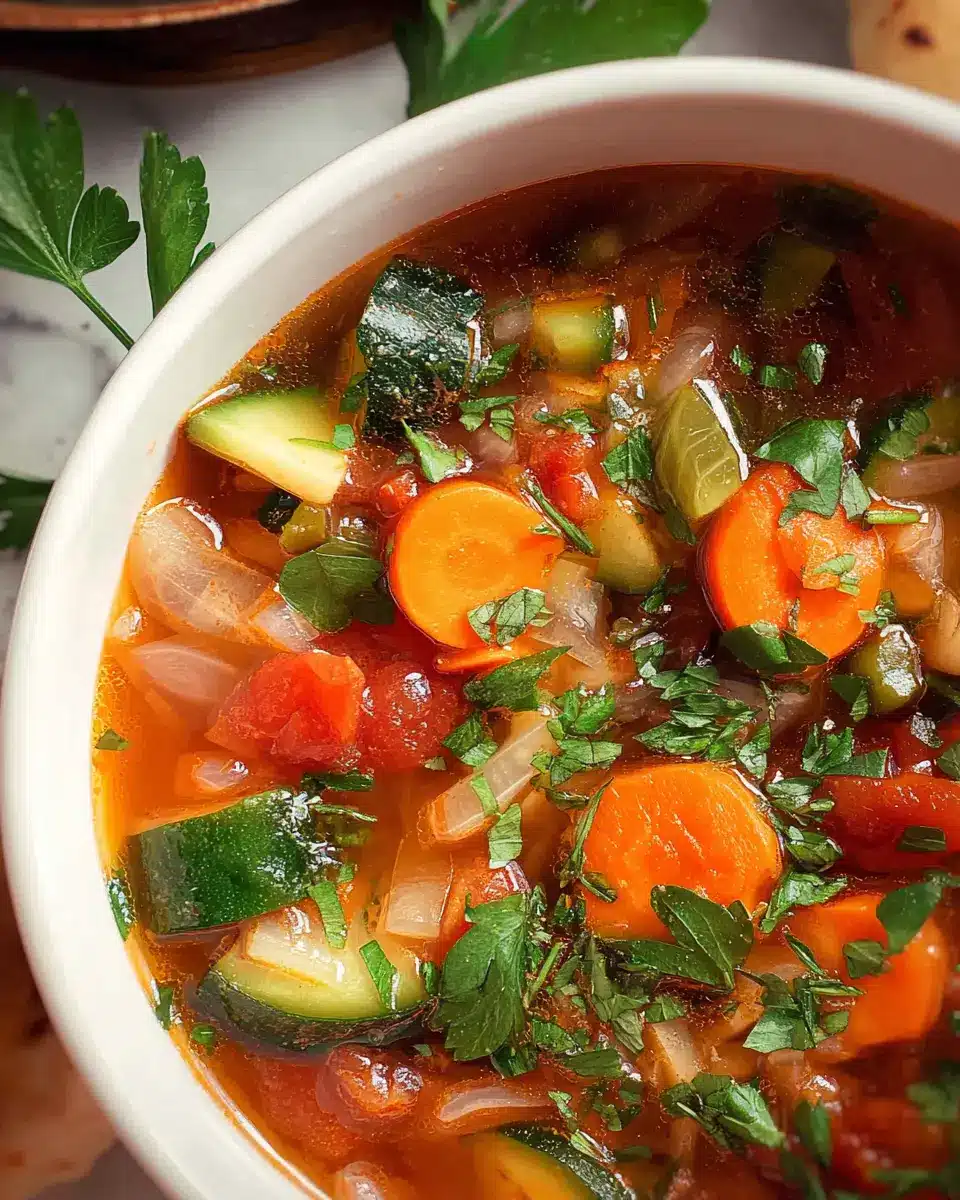
Ingredients for Vegetable Soup
Essential ingredients for a hearty vegetable soup
Creating a delicious vegetable soup starts with selecting the right ingredients. Here’s what you'll need for a hearty and comforting bowl:
- Extra-virgin olive oil – for sautéing and a rich flavor
- Onions – they form the aromatic base of your soup
- Fresh vegetables like diced carrots, sweet potatoes, or zucchini – these add texture and nutrients
- Canned fire-roasted tomatoes – they provide robust flavor and a touch of sweetness
- Vegetable broth – the foundation of your soup; opt for low-sodium for better control over salt levels
- Herbs and spices – such as dried oregano, thyme, and red pepper flakes to enhance the taste
- Chickpeas and kale – to add protein and a nutritional punch
Fresh vs. canned ingredients — what's the difference?
When it comes to vegetable soup, using fresh versus canned ingredients can shape both flavor and convenience. Fresh ingredients offer peak taste and texture, making your soup vibrant. However, canned goods like fire-roasted tomatoes can save you time and are often just as nutritious. For instance, canned tomatoes retain their flavor and nutrients well.
So, whether you aim for that fresh market charm or the ease of the pantry, both options can lead to a satisfying bowl of vegetable soup. Why not mix them for the best of both worlds?
Preparing Vegetable Soup
Creating a delightful vegetable soup is not just about combining ingredients—it's a journey of flavor discovery! Whether it’s a chilly evening or a lazy weekend, this soup is a warm hug in a bowl. Let’s break down the steps to ensure you get the best out of every vegetable.
Gather and Prep Your Ingredients
First things first, it’s all about preparation. Before diving in, make sure you have all the fresh vegetables you want to use. Here's your shopping list to get started:
- 1 medium yellow onion, diced
- 1 medium carrot, diced
- 1 small sweet potato, diced
- 1 cup halved cherry tomatoes
- 1 cup chopped green beans
- 1 zucchini, diced
- 1 (14.5-ounce) can fire-roasted diced tomatoes
- 1 (15-ounce) can chickpeas, drained and rinsed
- 1½ cups chopped kale
Don’t forget your seasonings—fresh garlic, oregano, and red pepper flakes add wonderful depth. As you chop, relish this time; it can be quite therapeutic!
Sauté the Base for Flavor
Once your ingredients are prepped, it’s time to infuse some flavor. Heat 2 tablespoons of extra-virgin olive oil in your Dutch oven over medium heat. Toss in the diced onion, 1 teaspoon of sea salt, and a few grinds of freshly cracked pepper. Cook this for about 8 minutes, stirring occasionally until the onion is soft and fragrant.
Add the carrot and sweet potato, stirring them in for an additional 2 minutes. This sauté step lays down the essential flavor for your vegetable soup, so don’t rush it!
Building the Soup — Layering the Ingredients
Now comes the fun part: layering the ingredients. Stir in the fire-roasted diced tomatoes, 4 chopped garlic cloves, 2 teaspoons of dried oregano, and ¼ teaspoon of red pepper flakes. Next, pour in 4 cups of vegetable broth and add 2 bay leaves. Bring this vibrant mixture to a boil. Once it reaches that bubbly state, reduce the heat and let it simmer for 20 minutes with the lid on.
Simmering to Perfection
After your initial simmer, it’s time to add the remaining vegetables. Incorporate the cherry tomatoes, green beans, zucchini, and chickpeas. Cover and let the soup cook for an additional 10 to 15 minutes. This is where the magic happens—the vegetables soften and enrich the broth.
Final Touches and Seasoning
To complete your vegetable soup, stir in 2 tablespoons of white wine vinegar (or lemon juice if you prefer). Finally, fold in 1½ cups of chopped kale, cooking until it’s just wilted—about 5 minutes. Taste your creation, adjusting the seasoning with salt and pepper as needed.
And just like that, you have a bowl of vibrant, hearty vegetable soup. Perfect for cozy meals or meal prep! For more inspiration on vegetable options, check out The Benefits of Eating Seasonally. Enjoy the comfort that comes with each spoonful!
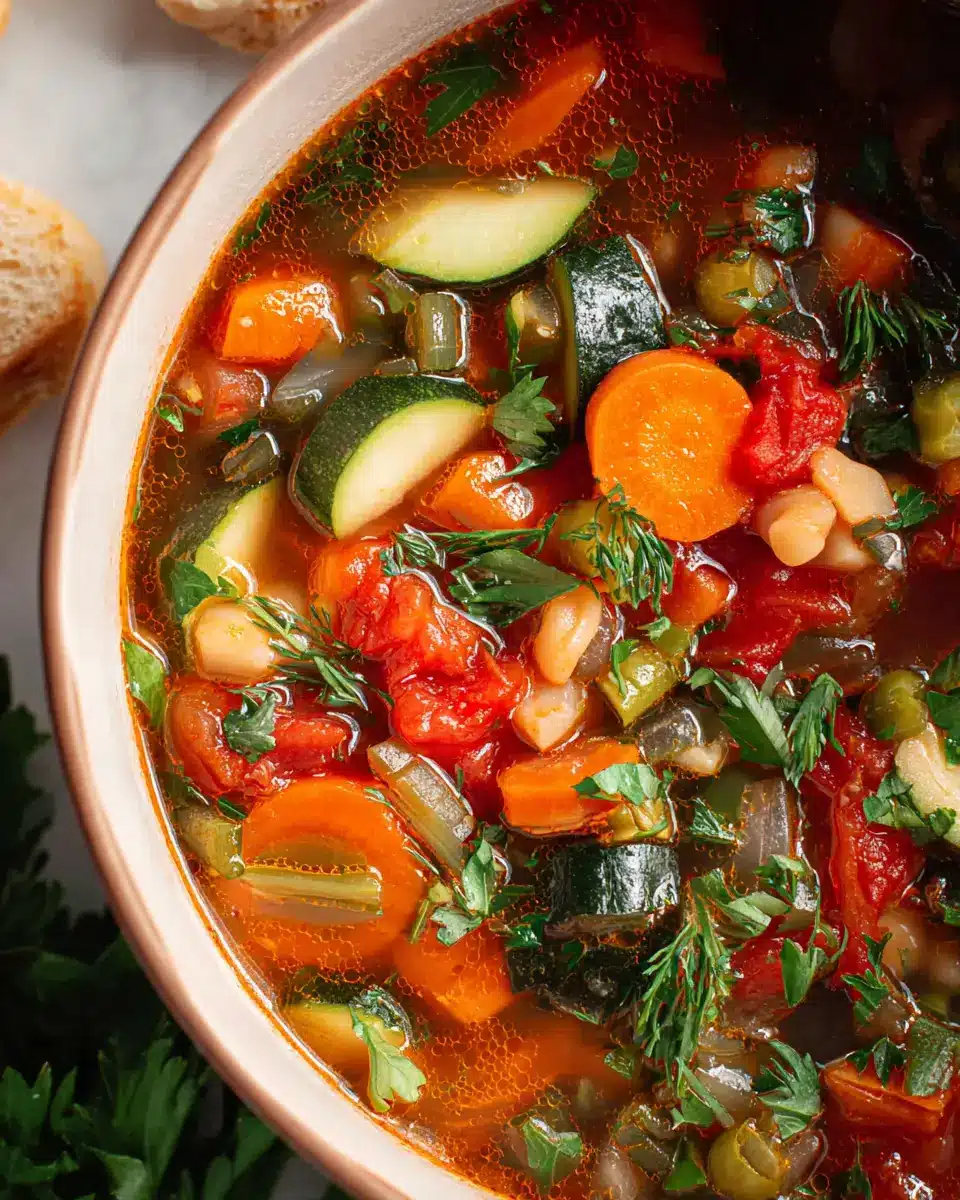
Variations on Vegetable Soup
Hearty Lentil Vegetable Soup
Looking for a filling twist on your classic vegetable soup? Try adding lentils! They’re packed with protein and fiber, making your soup not only heartwarming but also satisfying. Simply incorporate 1 cup of rinsed lentils during the cooking process. Lentils cook quickly, so they’ll be tender and delicious by the time your soup is ready. This variation makes it a great option for meal prepping, as it keeps well in the fridge and flavors deepen overnight.
Creamy Vegetable Soup with Coconut Milk
Craving something a bit different? Transform your vegetable soup into a creamy delight by adding coconut milk! Simply stir in one can after simmering your vegetables and let it heat through. The creamy texture and hint of sweetness from the coconut will elevate your soup to a whole new level. This variation is especially popular in colder months—think cozy bowls of comfort.
Experimenting with these variations will not only keep your weeknight dinners exciting but also showcase the versatility of vegetable soup. Plus, it's a wholesome way to use up the veggies lingering in your fridge. Happy cooking! For more unique ways to enjoy vegetables, check out this article on healthy eating.
Cooking tips and notes for Vegetable Soup
Enhancing flavors with herbs and spices
To elevate your vegetable soup, don't shy away from experimenting with herbs and spices. Fresh or dried herbs like thyme, rosemary, and parsley can enhance the overall flavor profile. Want a little heat? A pinch of cayenne or extra red pepper flakes can do wonders. For a deeper umami kick, consider adding a splash of soy sauce or miso paste. Remember to taste as you go to find that perfect balance!
Tips for storing and freezing leftovers
If you’re lucky enough to have leftovers from your comforting vegetable soup, here’s how to keep them fresh. Store the soup in an airtight container in the refrigerator, where it will last for about 3-4 days. For longer storage, freeze portions in freezer-safe bags—just make sure to leave room for expansion. This soup freezes beautifully and can be a lifesaver on busy days! Just thaw overnight before reheating for a quick and healthy meal.
For more tips on storing soup, check out Eat By Date's guide on food storage.
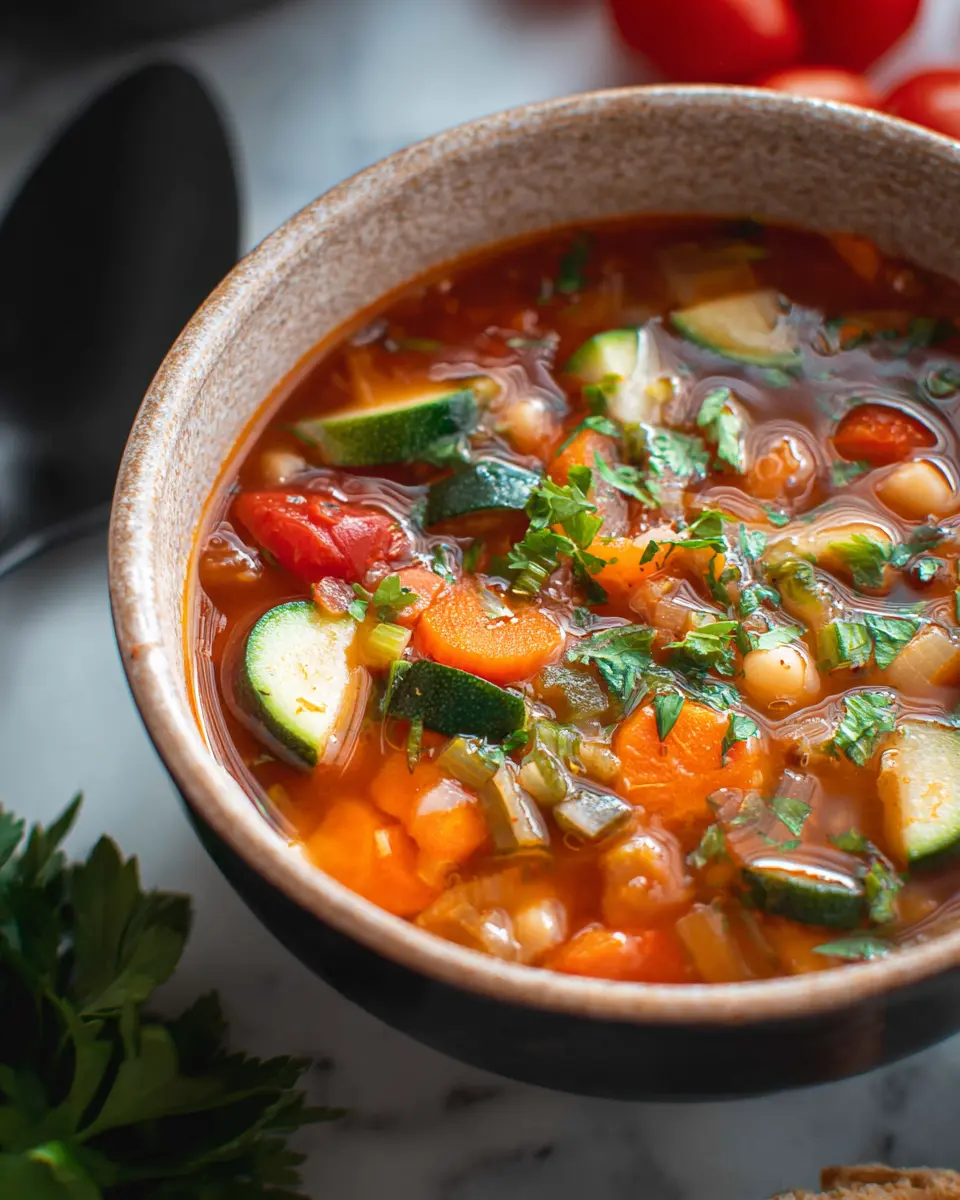
Serving Suggestions for Vegetable Soup
Perfect Pairings with Bread and Sides
Elevate your vegetable soup experience with the perfect accompaniments! A warm, crusty loaf of sourdough or rustic whole-grain bread is a delightful match that invites you to dip and savor every last spoonful. Pair your soup with a simple side salad, perhaps tossed with a zesty lemon vinaigrette, or try a hearty quinoa salad for an added crunch. If you're craving something lighter, a classic grilled cheese sandwich with gooey cheese and toasted bread makes a nostalgic pairing that delights the palate.
Garnishes That Elevate Your Soup Experience
Garnishing your vegetable soup can really transform the dish. A sprinkle of fresh herbs, like parsley or basil, brings a vibrant freshness and enhances the aroma. A dollop of creamy Greek yogurt or silken tofu serves as an added protein boost and contributes a delicious tang. For a hint of spice, a drizzle of chili oil or a few dashes of your favorite hot sauce can add that extra kick. Finally, don't underestimate the power of toasted nuts or seeds — they give a satisfying crunch that contrasts beautifully with the soup's textures.
Time Breakdown for Vegetable Soup
Preparation Time
To get started on your vegetable soup, allocate about 10 minutes for prepping your ingredients. This includes dicing, chopping, and measuring everything to ensure a smoothly flowing cooking process.
Cooking Time
Once you've got your veggies ready, the cooking will take around 30 minutes. This allows the flavors to meld together beautifully for a hearty and comforting meal.
Total Time
In just 40 minutes, you’ll have a delicious pot of vegetable soup that serves six. Perfect for weeknight dinners or meal prep, you can enjoy it warm, packed with nutrients, and brimming with flavor!
Making vegetable soup is not just quick but also incredibly satisfying. It's a great way to experiment with whatever fresh produce you have, turning simple ingredients into something truly special. If you’re curious about different flavor combinations, check out this article on the health benefits of various veggies included in your soup.
Nutritional Facts for Vegetable Soup
Calories
A hearty bowl of vegetable soup contains approximately 80 calories. This makes it a guilt-free option for lunch or dinner, perfect for those mindful of their caloric intake.
Protein
You can expect to find around 4 grams of protein in each serving. While vegetable soup isn't protein-heavy, it still provides a satisfying and nutritious option to complement your day.
Fiber
Each bowl offers about 5 grams of fiber, thanks to the variety of vegetables. This essential nutrient promotes digestive health, keeps you feeling full, and helps regulate blood sugar levels. For more information on the benefits of dietary fiber, check out the Harvard T.H. Chan School of Public Health.
FAQs about Vegetable Soup
Can I use frozen vegetables in my soup?
Absolutely! Using frozen vegetables is a great way to save time while still being healthy. They’re often picked at their peak ripeness and flash-frozen, preserving essential nutrients. Just toss them in during the last 10-15 minutes of cooking to ensure they warm up without losing their texture.
How can I make my vegetable soup richer in flavor?
To elevate the taste of your vegetable soup, consider these tips:
- Sauté your aromatics longer to deepen their flavor.
- Incorporate a splash of lemon juice or apple cider vinegar to give your soup a tangy lift.
- Experiment with herbs like thyme, basil, or even a hint of smoked paprika for complexity.
- Add a spoonful of nut butter or coconut cream for added richness.
What are some common vegetable soup mistakes to avoid?
Diving into vegetable soup preparation can lead to a few common pitfalls:
- Overcooking your vegetables will make them mushy; add soft veggies like zucchini or beans later in the cooking process.
- Skipping the seasoning early on can lead to blandness—be generous with salt and spices!
- Using too much liquid can dilute flavors; start with less broth and adjust as needed.
Feel free to check out this guide for more cooking tips!
Conclusion on Vegetable Soup
Embracing the homemade soup lifestyle
Making your own vegetable soup is a rewarding experience that encourages creativity in the kitchen and healthful eating. With endless variations, you can tailor this soup to suit your tastes and seasonal produce. So grab your favorite veggies and dive into a warm bowl of comfort. Check out this guide for more inspiring recipes!

Vegetable Soup
Equipment
- Le Creuset Dutch Oven
Ingredients
- 2 tablespoons extra-virgin olive oil
- 1 medium yellow onion, diced
- 1 teaspoon sea salt more to taste
- Freshly ground black pepper
- 1 medium carrot, diced
- 1 small sweet potato, diced
- 1 14.5-ounce can fire roasted diced tomatoes
- 4 cloves garlic, chopped
- 2 teaspoons dried oregano or 2 tablespoons chopped fresh thyme or rosemary
- 0.25 teaspoon red pepper flakes plus more to taste
- 4 cups vegetable broth
- 2 bay leaves
- 1 cup halved cherry tomatoes
- 1 cup chopped green beans
- 1 medium zucchini, diced
- 1 15-ounce can chickpeas, drained and rinsed
- 2 tablespoons white wine vinegar
- 1.5 cups chopped kale
Instructions
- Heat the oil in a large pot over medium heat. Add the onion, salt, and several grinds of pepper, and cook, stirring occasionally, for 8 minutes. Add the carrot and sweet potato, stir and cook 2 more minutes.
- Add the canned tomatoes, garlic, oregano, and red pepper flakes. Stir in the broth and bay leaves. Bring to a boil, then reduce the heat to a simmer and cook, covered, for 20 minutes.
- Stir in the cherry tomatoes, green beans, zucchini, chickpeas, and cover and cook 10 to 15 more minutes, until the green beans are tender.
- Stir in the vinegar and the kale and cook for 5 minutes, until the kale is wilted. Season to taste and serve.




Leave a Reply