
Introduction to German Pancakes
What are German pancakes and why should you try them?
If you’ve never experienced the delight of German pancakes, you’re in for a treat! Also known as Dutch Babies, these fluffy, oven-baked creations puff up dramatically in the oven, resulting in a delightful texture that’s a cross between a pancake and a popover.
So, why should you give them a shot? For starters, the recipe is incredibly simple, requiring just six ingredients that you likely already have in your kitchen: eggs, milk, flour, butter, salt, and vanilla. In just 30 minutes, you can take your breakfast game from ordinary to extraordinary, creating a dish that is deliciously impressive yet utterly easy to whip up.
Once baked, they emerge golden-brown and airy, inviting you to top them with a dusting of powdered sugar, fresh fruit, or your favorite syrup. Whether you're having a cozy weekend brunch or want to surprise your guests, German pancakes are sure to be a showstopper. Plus, they provide a wonderful canvas for a variety of toppings, making them a versatile choice for any palate. Don’t just take my word for it—try them out and elevate your breakfast repertoire!
For a full recipe and tips on preparation, check out the link to the recipe.
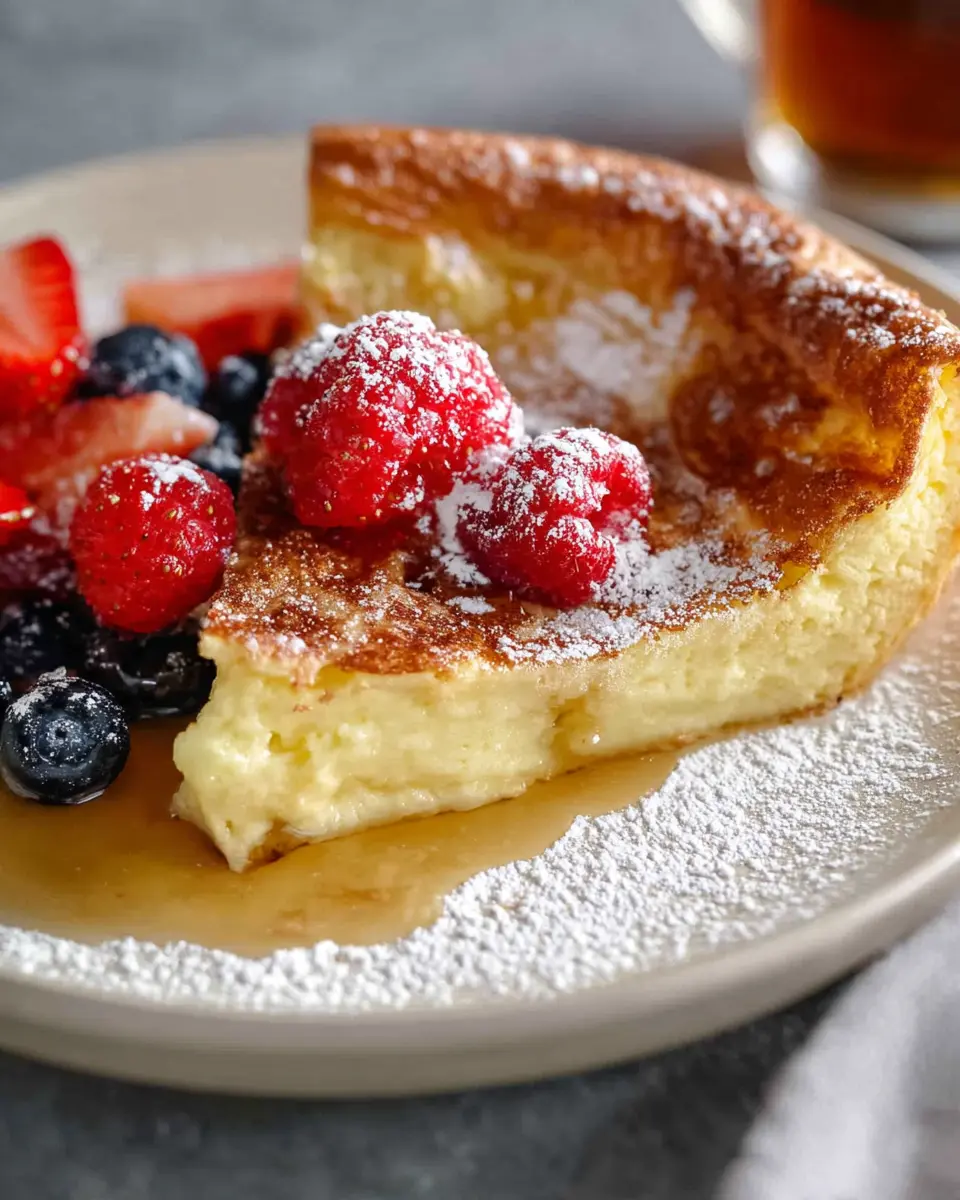
Ingredients for German Pancakes
Essential ingredients for a delightful pancake experience
Creating delicious German pancakes starts with just six essential ingredients that blend together to form a wonderfully fluffy dish. You'll need:
- 6 large eggs: The heart of the batter, providing structure and richness.
- 1 cup milk: Whole milk works best for a creamier texture, but feel free to use almond or oat milk for a dairy-free option.
- 1 cup all-purpose flour: This is your base, creating that lovely lightness.
- A dash of salt: This will enhance the flavors beautifully.
- 1 teaspoon vanilla extract: A touch of sweetness that elevates the taste.
- 5 tablespoons butter: This adds that irresistible buttery flavor and helps in creating crispy edges.
Optional toppings and add-ins
The beauty of German pancakes lies in their versatility! Once your pancakes are out of the oven, consider adding a variety of toppings and add-ins to suit your palate:
- Fresh fruits: Berries, bananas, or sautéed apples can bring natural sweetness and a pop of color.
- Powdered sugar: A classic finishing touch for a sweet contrast.
- Syrup alternatives: Maple syrup, honey, or a fruit compote can take these pancakes to the next level.
- Crunchy toppings: Consider adding granola or nuts for texture.
- Creamy options: Greek yogurt or whipped cream can add a delightful richness.
For even more inspiration, check out this guide on creative pancake toppings to discover new favorites! Enjoy crafting your perfect pancake experience!
Step-by-step preparation of German Pancakes
Making German pancakes is not only a delightful way to start your morning but also a simple process that yields impressive results. Here’s a laid-back guide to ensure your breakfast is a hit with just six ingredients!
Gather your ingredients and equipment
Before diving into the cooking, it’s best to get everything ready. This makes the process smoother and more enjoyable.
-
Ingredients:
-
6 large eggs
-
1 cup milk (240 ml)
-
1 cup all-purpose flour (120 g)
-
A dash of salt
-
1 teaspoon vanilla extract (5 ml)
-
5 tablespoons butter (70 g)
-
Equipment:
-
A 9x13 metal baking dish (essential for the oven)
-
A cut and serve turner (for serving)
-
A blender (for the perfect batter)
If you're looking for some high-quality kitchen gadgets, check out Food Network’s collection for more options.
Preheat your oven and prepare the baking dish
Start by preheating your oven to 425°F (220°C). While the oven warms up, place the 5 tablespoons of butter directly into an un-greased 9x13 metal baking dish. This dish is crucial as it helps the German pancakes puff up beautifully. Pop the dish in the oven just until the butter melts—this usually takes only about 5 minutes.
Blend the ingredients for the pancake batter
Once the butter is melted, it's time to whip up the batter. In your blender, combine the following:
- 6 large eggs
- 1 cup milk
- 1 cup all-purpose flour
- A dash of salt
- 1 teaspoon vanilla extract
Blend on medium speed until the mixture is smooth and creamy—just about 30-60 seconds should do the trick. This step ensures your German pancakes achieve that light, airy texture that everyone loves.
Bake the German pancakes to perfection
With your oven preheated and the batter ready, pour the mixture into the baking dish, over the melted butter. Be careful; it’ll sizzle! Now, bake the German pancakes for about 22–27 minutes or until the edges are gloriously golden brown and puffed. You might want to peek through the oven door to watch that captivating rise!
Let them cool slightly before serving
After taking them out, let the German pancakes cool for a few minutes—patience is key here! They will deflate a bit but don’t worry; they'll still be delicious. To serve, sprinkle generously with powdered sugar and drizzle with your favorite syrup. You might even consider topping them with fresh fruit or whipped cream for an extra layer of indulgence.
As a tip, consider pairing your pancakes with turkey bacon or chicken ham for a balanced meal. Your brunch will become the talk of the town with this lovely combination!
With these straightforward steps, you’re destined for breakfast success. Enjoy your mouth-watering German pancakes!
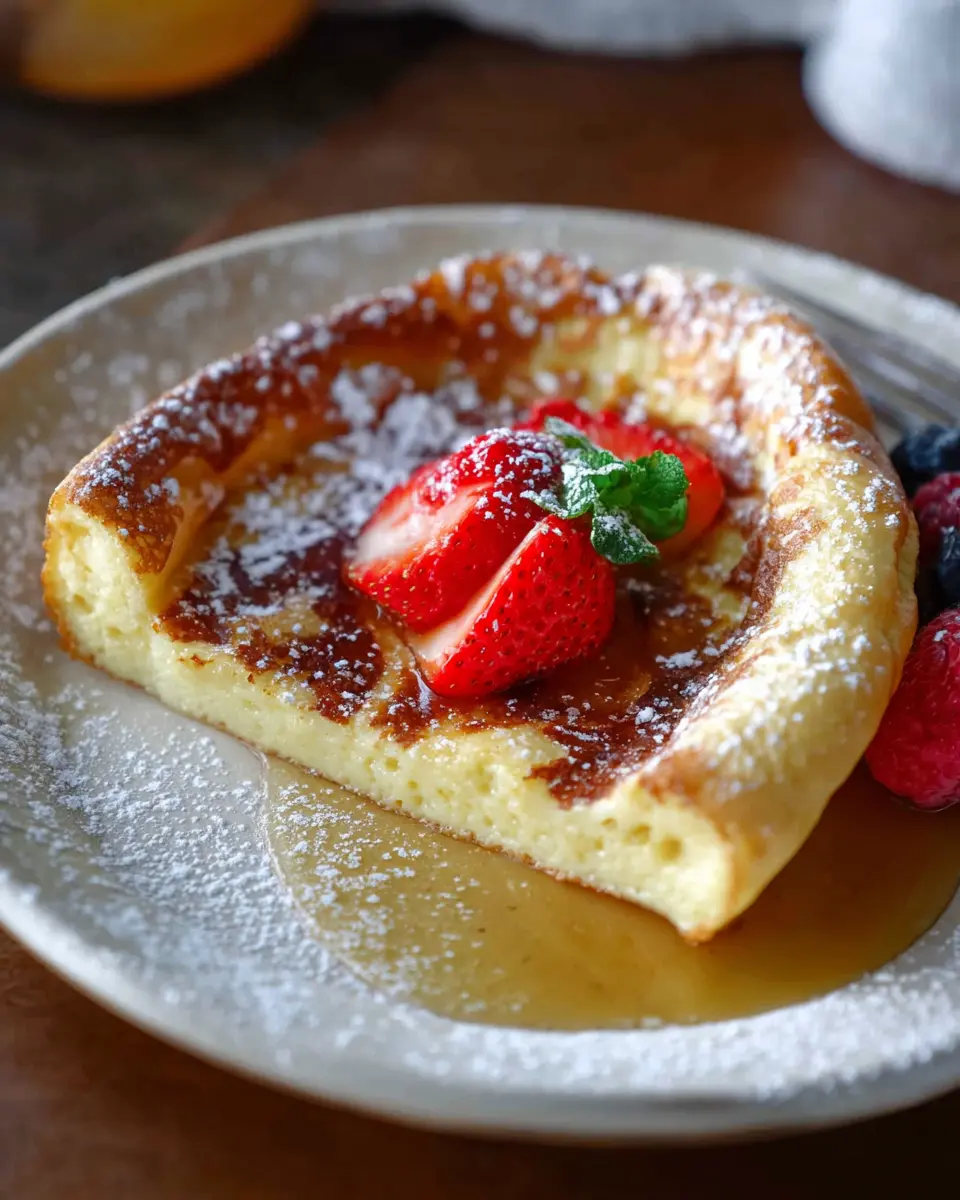
Variations on German Pancakes
Fruit-topped German pancakes
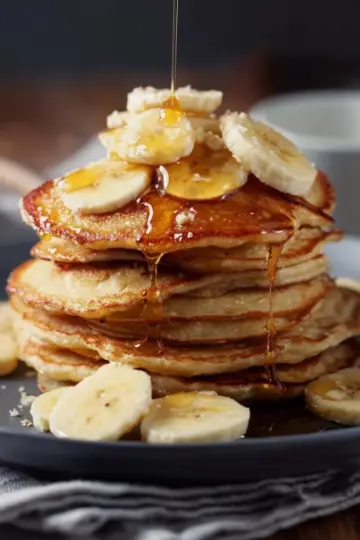
Elevate your classic German pancakes by adding a luscious layer of fresh fruit! Popular choices include sliced strawberries, blueberries, or warm sautéed apples with a hint of cinnamon. Drizzle with maple syrup or a dollop of whipped cream for an extra indulgent touch. You can even toss in some nuts for added crunch! Feeling adventurous? Try a tropical twist with pineapple and coconut. These fruity variations not only make for a delicious meal but also add a beautiful pop of color to your breakfast table.
Savory German pancake options
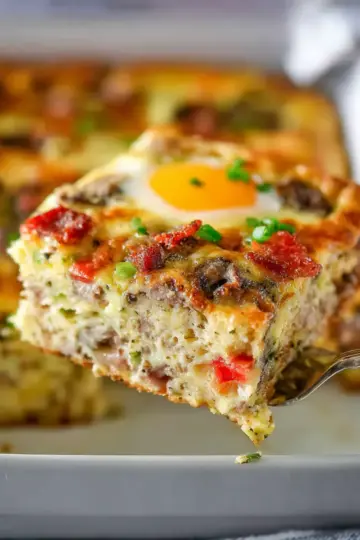
If you prefer a savory approach, there are fantastic German pancake variations to explore. Top with cooked turkey bacon or chicken ham, sautéed spinach, and a sprinkle of cheese for a hearty breakfast option. You can also experiment with roasted vegetables, like bell peppers and zucchini, or even a dose of pesto for an Italian flair. The versatility of German pancakes allows you to cater to varying taste preferences, making breakfast a delightful experience for everyone!
For more inspiration, check out this helpful guide on pancake toppings to take your dishes to the next level!
Cooking Tips and Notes for German Pancakes
Common Pitfalls to Avoid
When making German pancakes, a common mistake is not blending the batter sufficiently. For best results, make sure your batter is smooth, free of lumps, and well combined. Additionally, avoid peeking into the oven while baking—this can cause your pancakes to deflate. Instead of using a glass dish, stick with the recommended metal baking dish for even cooking and better browning.
How to Ensure Puffy and Golden Edges
To achieve those irresistibly puffy and golden edges, preheat your oven to 425°F and allow the butter to melt completely before adding the batter. The batter should be poured over the hot butter to create steam during baking, which helps puff up your pancakes. For extra fluffiness, consider using room temperature eggs. A well-prepped oven can make all the difference!
For more tips on perfecting your breakfast game, check out this guide on pancake perfection.
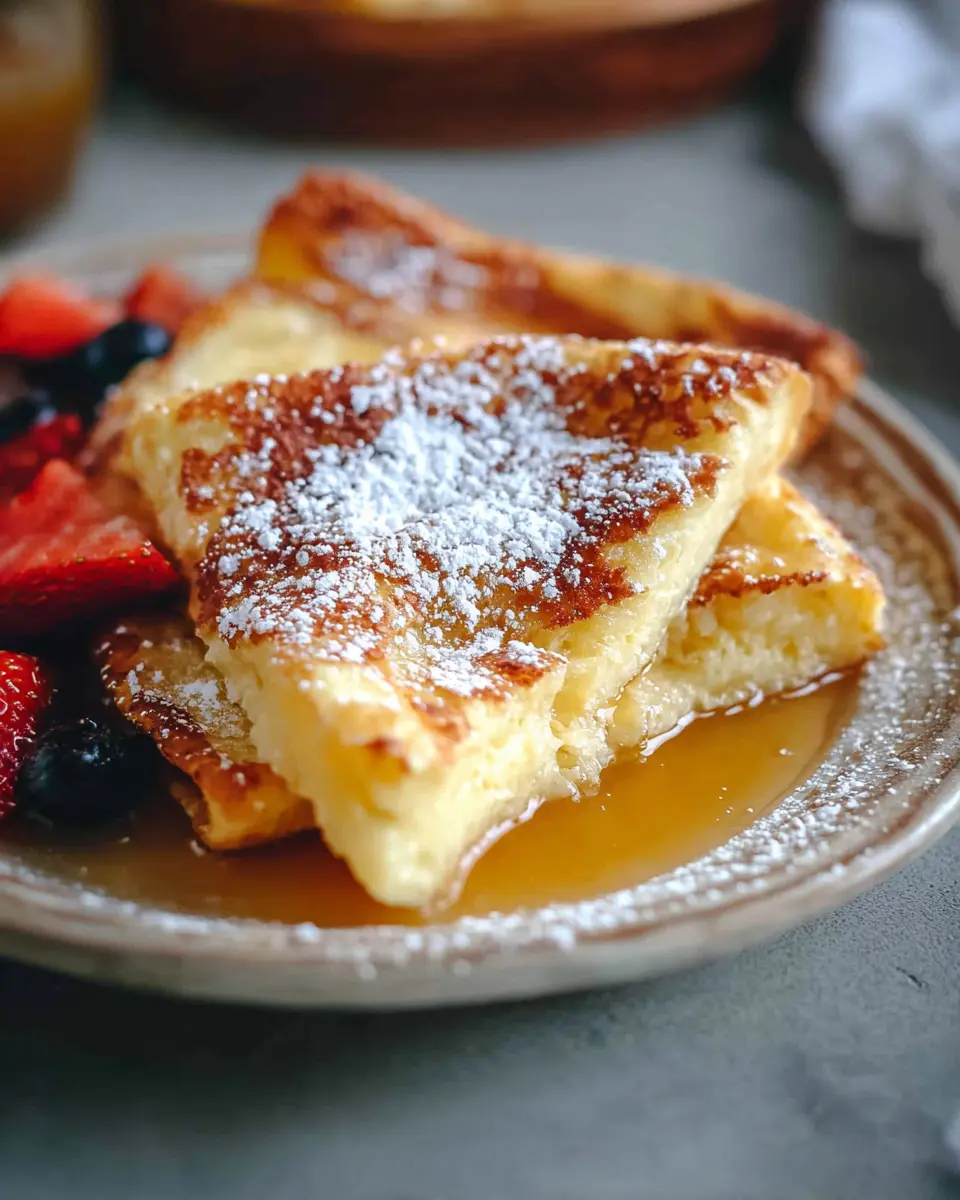
Serving suggestions for German Pancakes
Tasty toppings and sides to complement your pancakes
When it comes to serving German pancakes, the possibilities are endless! Start with classic toppings like a dusting of powdered sugar and a drizzle of maple syrup to enhance their rich flavor. But why stop there?
Consider adding:
- Fresh fruits like berries, bananas, or sliced peaches for a burst of color and nutrition.
- A dollop of whipped cream or yogurt to create a creamy contrast.
- Nuts, such as almonds or walnuts, provide a delightful crunch.
- For savory enthusiasts, serve alongside crispy turkey bacon or chicken ham for a satisfying balance.
These toppings not only elevate your German pancakes but also make for a beautiful brunch spread. For more ideas, check out this guide to topping pancakes.
Experiment, have fun, and enjoy creating your perfect pancake plate!
Time Breakdown for German Pancakes
Preparation Time
Getting your ingredients together and mixing up the batter for German pancakes only takes about 5 minutes. It’s quick and effortless—perfect for those busy mornings when you crave something delicious without the fuss.
Cooking Time
Once you’ve poured the batter over the melted butter, simply pop the dish into the oven. The baking time is approximately 25 minutes. This waiting might be the hardest part, but trust me, the heavenly aroma will keep you motivated!
Total Time
In just 30 minutes, you’ll have a mouthwatering breakfast ready to enjoy! Whether you’re serving it for a lazy weekend brunch or a weekday pick-me-up, these German pancakes are sure to impress. Don’t forget to pair them with your favorite toppings—powdered sugar and syrup work wonders!
For recipe details, check out this link to recreate this delightful dish!
Nutritional Facts for German Pancakes
Calories per Serving
Each serving of these delicious German pancakes contains approximately 300 calories. This makes them a satisfying yet manageable breakfast option, perfect for fueling your morning without weighing you down.
Key Nutrients in a Serving
Along with the calorie count, these pancakes provide:
- Carbohydrates: 21g
- Protein: 10g
- Fat: 18g (including 9g saturated fat)
- Cholesterol: 231mg
- Sodium: 197mg
- Potassium: 164mg
Also, they pack in essential nutrients like Vitamin A and Calcium, contributing to a well-rounded diet. For a deeper dive into healthy eating, you might check out sources like Healthline or Mayo Clinic.
These German pancakes are not just a delightful treat but also a fulfilling meal choice, especially when enjoyed with a side of fresh fruit or Turkey Bacon for some added protein!
FAQ about German Pancakes
What’s the difference between German pancakes and regular pancakes?
German pancakes, often called Dutch babies, are quite different from their traditional American counterparts. Unlike regular pancakes that you cook on a griddle, German pancakes are baked in the oven. This baking method creates a fluffy, puffed-up texture with crispy edges. The batter itself includes eggs, milk, and flour, giving it a unique taste and consistency that sets it apart from the typical pancake recipe.
Can I make German pancakes ahead of time?
Absolutely! You can prepare the batter ahead of time and store it in the refrigerator for a few hours. Just give it a quick stir before pouring it into the baking dish with the melted butter. While the texture is best when served fresh, reheating leftover German pancakes in the oven briefly can still yield a delicious breakfast option!
Are German pancakes gluten-free friendly?
Yes, they can be! By using a gluten-free flour blend, like Cup4Cup or King Arthur Measure for Measure, you can make a delightful gluten-free version of these pancakes. Just be sure to check the specific blend’s instructions for the best results! Enjoy your fluffy breakfast without any dietary worries.
For more about gluten-free cooking, check out this gluten-free baking guide.
Conclusion on German Pancakes
In summary, German pancakes offer a delightful twist on traditional breakfast fare. They're quick to prepare, effortlessly delicious, and perfect for gatherings or leisurely mornings. Serve with your favorite toppings for a customized experience. Give this recipe a try, and it may just become a staple in your kitchen!
For more breakfast inspirations, check out this amazing recipe for fluffy waffles or pancakes that will leave everyone wanting more!
German Pancakes
Equipment
- 9x13 metal baking dish
- cut and serve turner
- blender
Ingredients
- 6 large eggs
- 1 cup milk (240 ml)
- 1 cup all-purpose flour (120 g)
- a dash salt
- 1 teaspoon vanilla extract (5 ml)
- 5 Tablespoons butter (70 g)
Instructions
- Preheat oven to 425 degrees F.
- As oven preheats, put the butter in an un-greased 9x13-in. metal baking dish and place in oven, just until melted.
- Place the eggs, milk, flour, salt and vanilla in a blender; cover and process until smooth. Pour batter into baking dish, over melted butter.
- Bake, for 22-27 minutes or until edges are golden brown and puffy.
- To serve, sprinkle generously with powdered sugar and syrup.
Leave a Reply