
Introduction to Sourdough Bread
Why Sourdough Bread?
If you’ve ever strolled through a bakery and been captivated by the tantalizing scent of freshly baked bread, you know the allure of sourdough bread. This ancient bread-making method not only adds a delightful tang but also boasts incredible health benefits. Sourdough fermentation enhances nutrient absorption and digestibility thanks to its natural leavening process, which involves good bacteria and wild yeast. This means you’re enjoying a bread that’s healthier and full of flavor—what’s not to love?
The Joy of Homemade Bread
There’s something magical about baking sourdough bread at home. Imagine kneading the dough, feeling its texture transform under your hands, and the anticipation that builds as it rises. With just a handful of ingredients, you can create a crusty, artisan loaf that rivals anything found in a gourmet bakery. Plus, baking your own bread allows you to customize flavors and ingredients to suit your tastes—perhaps a sprinkle of herbs or some seeds for added crunch.
If you're new to this world, don't worry! This guide will walk you through each step with clear instructions and tips to make the process enjoyable. So roll up your sleeves, and let's embark on the delightful journey of baking your own sourdough bread together!
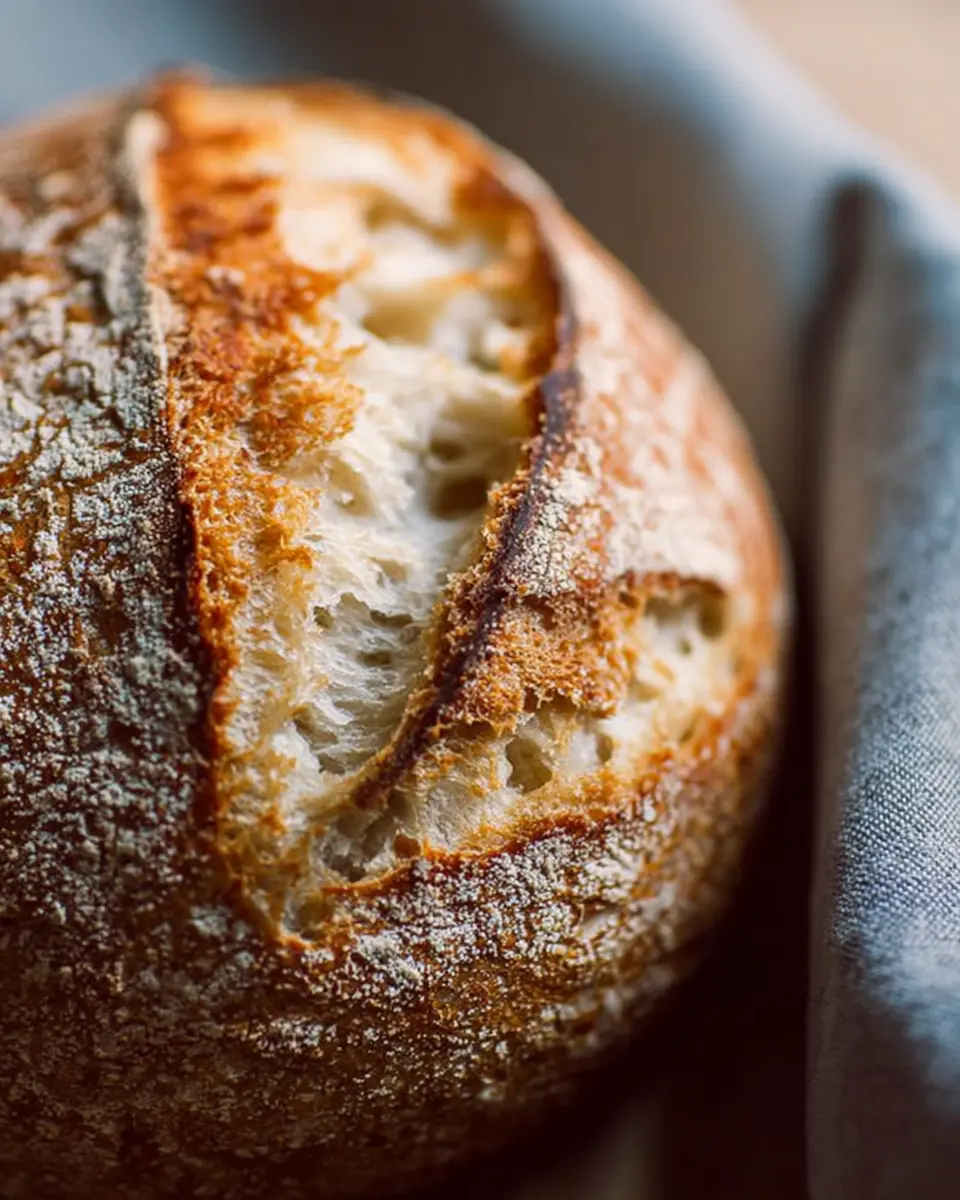
Ingredients for Sourdough Bread
Essential Ingredients
Creating the perfect sourdough bread starts with a handful of essential ingredients. You'll need:
- 150g bubbly, active sourdough starter: This lively starter provides the natural yeast essential for fermentation.
- 250g warm water: The right temperature helps activate your starter; think of it as the warm-up before the big performance!
- 25g olive oil: A secret ingredient that adds richness and flavor, while ensuring a soft crumb.
- 500g bread flour: Choosing bread flour instead of all-purpose flour provides the necessary gluten structure for that perfect rise.
- 10g fine sea salt: This enhances flavor and controls fermentation rates, leading to a balanced loaf.
Optional Ingredients for Flavor
While the essentials will get you started, feel free to explore with these optional additions:
- Herbs or spices: Fresh rosemary or garlic can elevate your sourdough bread to gourmet status.
- Seeds or nuts: Think sunflower seeds or walnuts for a delightful crunch and added nutrition.
- Cheese: A bit of grated parmesan can bring a savory depth.
Experimenting with these optional ingredients can transform your loaf, making each baking session a unique culinary adventure!
Preparing Sourdough Bread
Making sourdough bread can feel like a daunting task, especially if you're just starting. However, with a little patience and the right guidance, you can create a beautiful loaf that you’ll be proud to share. Let’s break it down step-by-step, ensuring you feel confident throughout the process.
Step 1: Gather the Ingredients
Before you dive into sourdough bread-making, it's crucial to have everything prepped. You'll need:
- 150g bubbly, active sourdough starter
- 250g warm water (for a softer dough, increase to 300-325g)
- 25g olive oil
- 500g bread flour (ensure it’s not all-purpose)
- 10g fine sea salt
- Cornmeal or parchment paper for the baking surface
Having everything laid out will streamline the process and reduce any last-minute scrambling.
Step 2: Mix the Dough
In a large bowl, combine the sourdough starter, warm water, and olive oil. Using a fork or your hands, mix until the ingredients are well combined. Next, add the flour and salt, mixing until it forms a rough, shaggy dough. Cover the bowl with plastic wrap or a damp towel and allow it to rest for 30 minutes to an hour. This resting period, also known as autolyse, helps the gluten develop.
Step 3: Bulk Rise (First Rise)
After the dough has rested, it’s time for the first rise. Cover the bowl with lightly oiled plastic wrap and let it rise in a warm space. Ideally, your dough should double in size, which could take anywhere from 2-12 hours depending on your kitchen's temperature. Monitor it carefully; the dough should feel airy and bubbly.
Step 4: Stretch & Fold (Optional Step)
This optional step helps improve the dough’s strength. 30-45 minutes into the bulk rise, lift one section of the dough, stretch it up, and fold it over itself. Rotate the bowl and repeat until you’ve circled back to your starting point. This method not only strengthens the dough but also introduces oxygen, enhancing the flavor.
Step 5: Shape the Dough
Once the dough has risen substantially, gently turn it onto a floured surface. To shape it, fold the outer edges toward the center, creating a tight ball. This helps create surface tension, which is critical for that beautiful dome shape.
Step 6: Second Rise
After shaping, let the dough rise a second time. If using a higher hydration dough (more than 250g water), place it in a floured proofing basket instead of a Dutch oven. Allow it to rest for about 30 minutes to an hour until slightly puffy.
Step 7: Score the Dough
Just before baking, score the top with a sharp knife or lame. This allows steam to escape during baking, helping your sourdough bread rise properly and create that signature crust.
Step 8: Bake the Bread
Transfer your dough to the preheated oven in a Dutch oven, reducing the temperature to 400°F (204°C). Bake it covered for the first 20 minutes, then remove the lid and continue baking for another 40 minutes until it’s a deep, golden brown. The smell will be irresistible!
With this guide, you’re well on your way to baking your first sourdough bread. Enjoy the process, and don’t be afraid to experiment with different flavors as you become more comfortable!
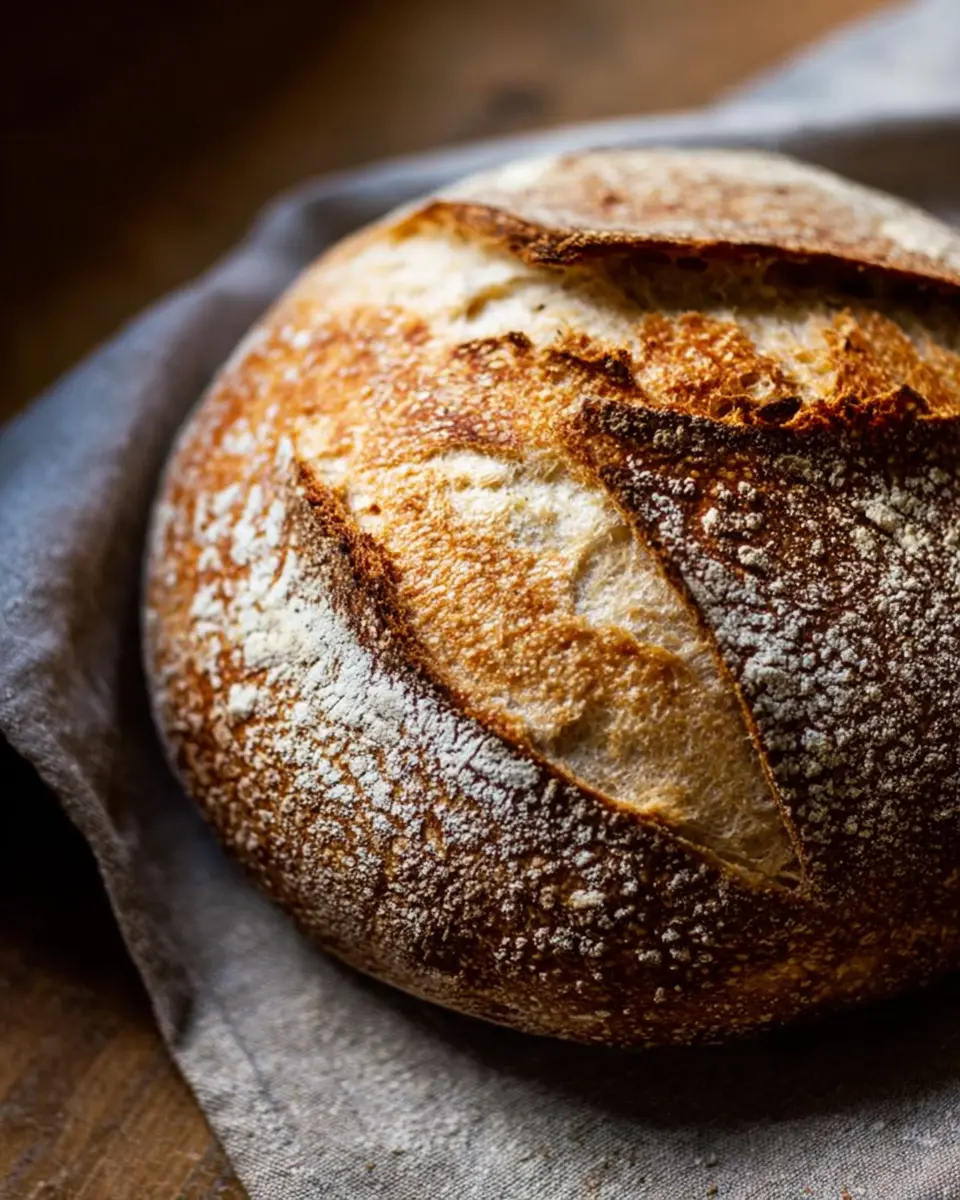
Variations on Sourdough Bread
Adding Seeds and Nuts
Elevate your sourdough bread by incorporating various seeds and nuts. Consider adding sunflower seeds, flaxseeds, or chopped walnuts to your dough for an extra crunch and nutrient boost. Not only do they enhance the flavor, but they also provide a lovely texture contrast. Simply mix in about 100 grams of your chosen seeds or nuts during the final mixing stage, ensuring they’re evenly dispersed throughout the dough.
Infused Flavors for a Specialty Loaf
Give your sourdough bread a gourmet touch by infusing it with exciting flavors. Try adding ingredients like rosemary, garlic, or even sun-dried tomatoes for a delightful savory twist. If you prefer something sweet, mix in dried fruits like cranberries or apricots. Add about 50 grams of your chosen infusion while mixing to experience a loaf bursting with personality. Embrace creativity; the options are limitless! For ideas on flavor combinations, learn more about baking techniques here.
Cooking Notes for Sourdough Bread
Tips for a Perfect Crust
To achieve that irresistible, golden-brown crust, consider using a Dutch oven to trap steam, which helps create a crisp outer layer. Preheating your oven and the Dutch oven together ensures a good initial heat surge. For an extra crunch, you can also spritz the dough with water just before baking or place ice cubes in the bottom of the oven.
Troubleshooting Common Issues
If your sourdough bread turns out dense, it could be due to under-proofing or using a weak starter. Make sure your starter is bubbly and active before use. If your loaf spreads too much, try reducing the water in your recipe to achieve a stiffer dough. Don’t hesitate to adjust your methods as you learn what works best for you!
For more tips, check out resources like King Arthur Baking.
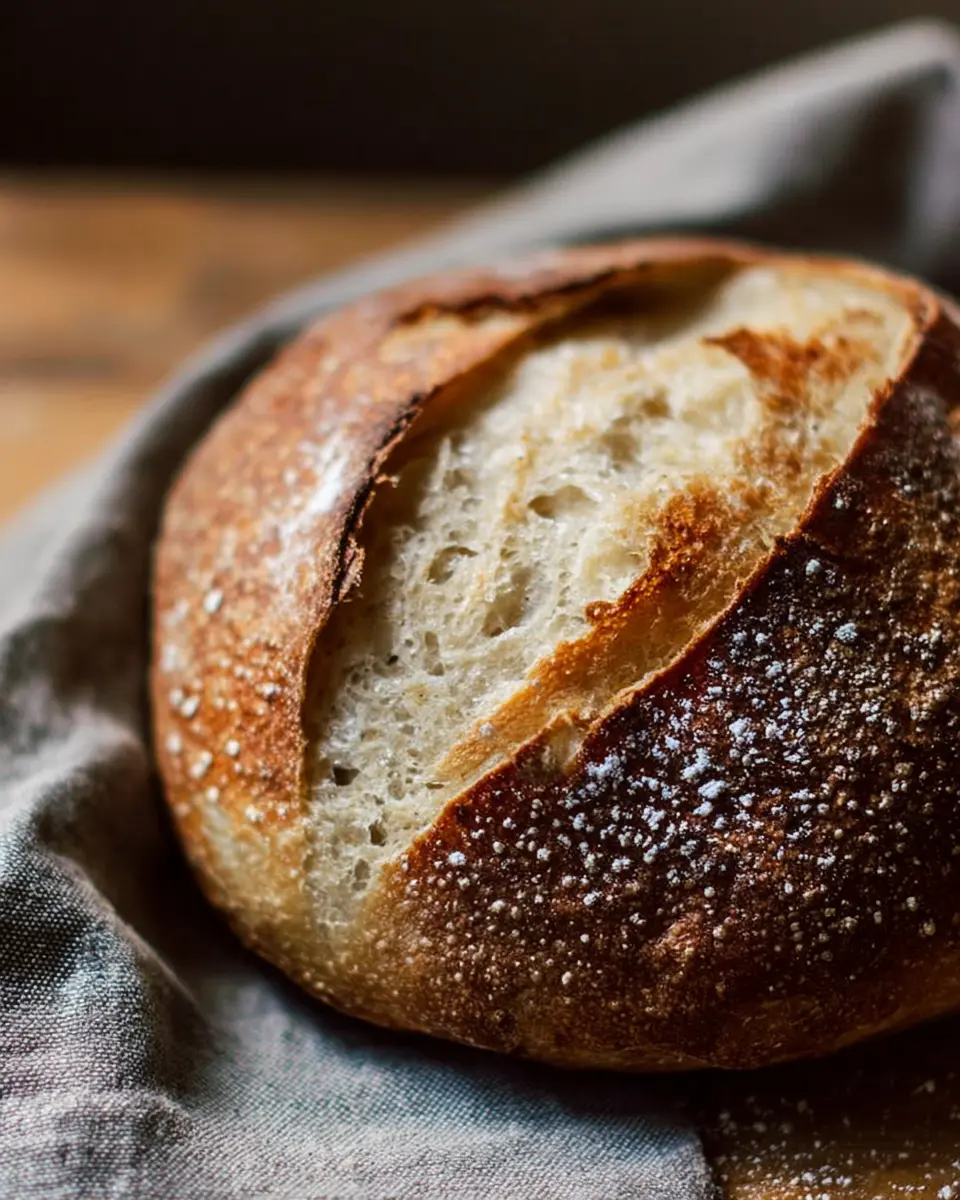
Serving Suggestions for Sourdough Bread
Perfect Pairings with Sourdough
Sourdough bread is incredibly versatile! For a light lunch, consider pairing it with fresh avocado and a sprinkle of sea salt. If you're in the mood for something heartier, try topping it with chicken ham or turkey bacon, layered with spinach and a drizzle of spicy mustard. You can also serve slices alongside a warm bowl of soup for a comforting meal. Check out this avocado toast guide for more delicious ideas!
Creative Ways to Enjoy Your Bread
Don't limit yourself to traditional spreads! Experiment by making savory bruschetta with diced tomatoes, basil, and a dash of balsamic vinegar—it's a crowd-pleaser. Alternatively, transform leftover bread into croutons for salads or whip up a stunning bread pudding for dessert. The options are endless! How will you savor your homemade sourdough?
Time Breakdown for Sourdough Bread
Preparation Time
In total, you'll spend about 13 hours preparing your sourdough bread, with the bulk of this time dedicated to fermentation. This slow process is essential for developing that wonderful flavor and texture.
Cooking Time
The cooking time is relatively short, taking just 1 hour. This includes the initial baking with a lid and finishing off uncovered for a crisp crust.
Total Time
When you add it all up, expect your total time commitment to be around 14 hours. Don’t let this discourage you! Much of this is hands-off, allowing you to enjoy your day while the dough works its magic.
For more tips on timing and dough management, check out resources like King Arthur Baking for expert advice!
Nutritional Facts for Sourdough Bread
Understanding the nutritional content of sourdough bread can enhance your experience and help you make informed choices. Here’s a quick overview:
Calories
A standard slice of sourdough bread contains about 80-100 calories, making it a relatively low-calorie option compared to other breads.
Carbohydrates
Each slice typically has around 15-20 grams of carbohydrates. This makes it a good source of energy for your day.
Fiber
A slice of sourdough bread usually provides about 1-2 grams of dietary fiber, which aids digestion and keeps you feeling satisfied.
For more details on sourdough bread benefits, check out Healthline or The Whole Grain Council for insights on whole grains and fiber.
FAQs about Sourdough Bread
What is sourdough starter and how do I make it?
A sourdough starter is a mix of flour and water that captures wild yeast and bacteria from the environment. This natural fermentation process creates a bubbly and tangy culture, essential for baking delicious sourdough bread. To make your own starter, combine equal parts flour and water (about 100g each), mix well, and let it sit at room temperature for 5-7 days, feeding it daily with fresh flour and water. For a detailed guide, check out this beginner sourdough starter recipe.
Can I use whole wheat flour for sourdough bread?
Absolutely! Whole wheat flour adds a nutritious boost and a slightly nuttier flavor to your sourdough bread. However, since whole wheat flour absorbs more water, you may need to adjust your hydration levels slightly for the best results.
Why doesn’t my sourdough rise?
If your sourdough bread isn’t rising, it could be due to several factors, including an inactive starter, insufficient warmth, or over-proofing. Ensure your starter is bubbly and active before using it. The dough should be kept in a warm, draft-free spot to help it rise. If it looks dense after the bulk rise, consider giving it more time or checking your starter's health.
Conclusion on Sourdough Bread
Baking sourdough bread at home can seem daunting, but with patience and practice, you’ll create delicious loaves that impress family and friends. Don’t hesitate to experiment with your ingredients and techniques. Join our community of home bakers to share your experiences and tips! Happy baking!
Sourdough Bread: A Beginner’s Guide
Equipment
- Digital scale
- Dutch oven
Ingredients
- 150 g active sourdough starter
- 250 g warm water (see Note 2)
- 25 g olive oil
- 500 g bread flour (not all purpose flour)
- 10 g fine sea salt
- fine ground cornmeal or non-stick parchment paper
Instructions
Make The Dough
- In a large bowl, add the sourdough starter, water and olive oil. Mix with a fork to combine, then add the flour and salt. Continue mixing until the dough becomes stiff, then squish it together with your hands to incorporate all the flour. The dough will be rough and shaggy.
- Cover the bowl with plastic wrap, reusable wrap, or very damp kitchen towel. Let rest (autolyse) for 30 minutes to 1 hour.
- After resting, return to the bowl and work the dough into a rough ball, about 15 seconds.
Bulk Rise (First Rise or Bulk Fermentation)
- Cover the bowl with lightly oiled plastic wrap. Let it rise in a warm place, ideally 70-75 F. The dough is ready when it no longer looks dense and has almost doubled in size.
- The bulk rise time will be different for everyone. Watch the dough and not the clock.
Optional Step: Stretch & Fold The Dough
- During the bulk fermentation, you can do a series of ‘stretch & folds’ to strengthen the dough. Start 30-45 minutes in: lift a portion of the dough, stretch it upwards, and fold it over itself until you’ve come full circle.
Shape The Dough
- Remove the dough onto a lightly floured surface. Starting at the top, fold the dough over toward the center. Repeat until you have come full circle. Flip the dough over, seam side down. Gently cup the sides and rotate in a circular motion to tighten the shape.
Second Rise
- Let the dough rise again. Line the pot with parchment paper or coat with cornmeal. Place the dough inside, cover and let rise for about 30 minutes to 1 hour.
- Preheat your oven to 450 F/ 232 C.
Score The Dough
- Right before baking, make a shallow 2-3 inch slash in the center of the dough using a bread lame, razor blade, or sharp knife.
Bake The Dough
- Place the bread in the oven on the center rack (lid on) and reduce the temperature to 400 F/ 204 C. Bake for 20 minutes, then remove the lid, and continue to bake uncovered for another 40 minutes, until deep, golden brown.




Leave a Reply